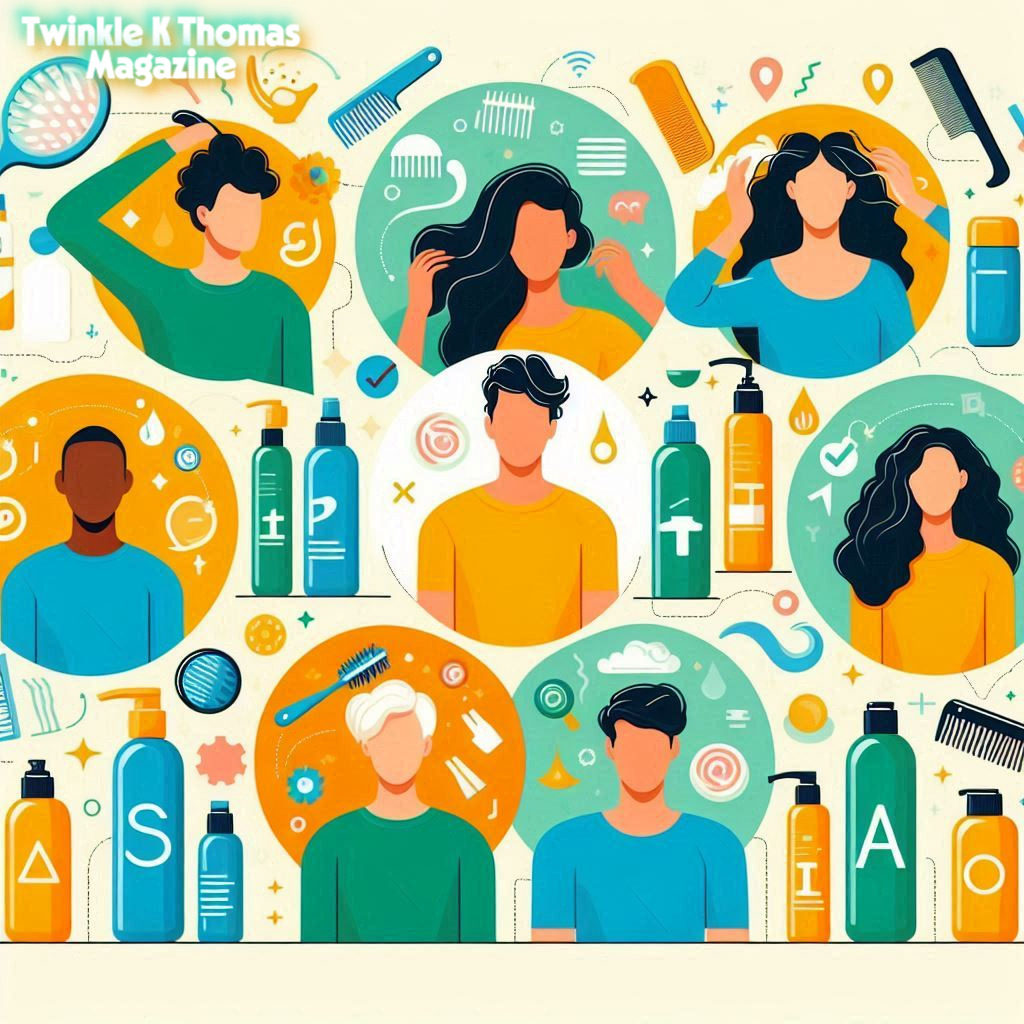
Beautiful, healthy hair is not just a matter of genetics—it’s the result of consistent care, proper techniques, and understanding what your hair truly needs. Many people struggle with maintaining clean and healthy hair on a daily basis, often because they follow outdated advice or use products that don’t suit their hair type. This comprehensive guide will walk you through proven strategies, daily routines, and expert tips to help you achieve and maintain gorgeous, healthy hair every single day.
Understanding Your Hair Type and Needs
Before diving into daily hair care routines, it’s essential to understand your specific hair type and its unique requirements. Hair typically falls into categories based on texture: straight, wavy, curly, or coily. Additionally, hair can be fine, medium, or thick in density, and the scalp can range from oily to dry or combination.
Each hair type requires different care approaches. Oily hair may need more frequent washing, while dry or curly hair thrives with less frequent shampooing and more moisture. Fine hair can become weighed down easily by heavy products, whereas thick or coarse hair often needs richer formulations. Identifying your hair type allows you to customize your routine for optimal results.
Daily Hair Washing: Finding Your Perfect Frequency
One of the most debated topics in hair care is how often to wash your hair. The truth is there’s no universal answer—it depends entirely on your hair type, lifestyle, and scalp condition.
For Oily Hair
If your scalp produces excess sebum, you might need to wash your hair daily or every other day. Oily hair attracts dirt and pollution more readily, making regular cleansing necessary. However, over-washing can strip natural oils and cause your scalp to produce even more oil as compensation. Use a gentle, sulfate-free shampoo designed for daily use to maintain balance without harsh stripping.
For Dry or Curly Hair
Dry, curly, or coily hair types benefit from less frequent washing—typically two to three times per week. These hair types struggle to distribute natural scalp oils along the hair shaft, making them prone to dryness. Washing too frequently removes essential oils needed for moisture and protection. On non-wash days, use dry shampoo at the roots or simply rinse with water and apply conditioner to the lengths.
For Normal Hair
If your hair feels balanced—neither too oily nor too dry—washing every two to three days usually works well. This frequency maintains cleanliness while preserving your hair’s natural protective oils.
Proper Shampooing Techniques for Clean Hair
How you wash your hair matters just as much as what you wash it with. Many people inadvertently damage their hair through improper washing techniques.
Pre-Wash Preparation
Before shampooing, thoroughly wet your hair with lukewarm water. Hot water can strip natural oils and damage the hair cuticle, while cold water doesn’t effectively remove oil and product buildup. Lukewarm water opens the cuticle slightly for better cleansing without causing damage.
The Right Way to Apply Shampoo
Pour a small amount of shampoo—about the size of a quarter for medium-length hair—into your palm. Rub your hands together to create a lather, then apply primarily to your scalp rather than the length of your hair. Your scalp produces oil and accumulates the most dirt, so focus your cleansing efforts there.
Massage, Don’t Scrub
Use your fingertips, not your nails, to massage the shampoo into your scalp using gentle circular motions. This technique cleanses effectively while stimulating blood circulation to hair follicles, promoting healthy growth. Scrubbing aggressively with nails can damage the scalp and create irritation.
Thorough Rinsing
Spend adequate time rinsing out all shampoo residue. Leftover product can make hair look dull, greasy, or create scalp irritation. Rinse until the water runs completely clear and your hair feels clean without any slippery texture.
Conditioning: The Secret to Healthy Hair
Conditioner is non-negotiable for maintaining healthy hair. It replenishes moisture, smooths the hair cuticle, reduces frizz, and protects against damage from styling and environmental factors.
Proper Conditioning Technique
Apply conditioner from mid-length to the ends of your hair, avoiding the roots unless you have extremely dry hair. The roots receive natural oils from your scalp and don’t typically need additional conditioning, which can make hair appear greasy.
Leave the conditioner on for at least two to three minutes—this allows time for the moisturizing ingredients to penetrate the hair shaft. For deeper conditioning, leave it on for five to ten minutes or use a shower cap to trap heat and enhance absorption.
The Cold Water Rinse Trick
After conditioning, rinse your hair with cool or cold water for the final rinse. This helps seal the hair cuticle, locking in moisture and creating smoother, shinier hair. While it might feel uncomfortable initially, the results are worth it.
Daily Hair Care Beyond Washing
Maintaining clean and healthy hair extends far beyond the shower. Your daily habits significantly impact your hair’s condition and appearance.
Gentle Towel Drying
After washing, avoid rubbing your hair vigorously with a towel. Wet hair is fragile and prone to breakage. Instead, gently squeeze excess water out and wrap your hair in a soft, absorbent towel or microfiber hair wrap. Pat and press gently rather than rubbing. Even better, use an old cotton t-shirt, which is gentler on hair than traditional towels.
Detangling With Care
Always detangle hair when it’s damp and has conditioner or a leave-in treatment applied—never when it’s bone dry or soaking wet. Start from the ends and gradually work your way up to the roots using a wide-tooth comb or a detangling brush designed to minimize breakage. This approach prevents unnecessary pulling and snapping of hair strands.
Heat Protection is Essential
If you use heat styling tools like blow dryers, straighteners, or curling irons, always apply a heat protectant product first. These products create a barrier between your hair and high temperatures, preventing moisture loss and structural damage. Look for heat protectants that offer protection up to 450°F (230°C).
Nutrition and Hydration for Hair Health
External care alone isn’t enough—healthy hair starts from within. Your diet directly impacts hair strength, growth, and overall condition.
Essential Nutrients for Hair
Protein is fundamental since hair is primarily made of keratin, a protein structure. Include lean meats, fish, eggs, legumes, and nuts in your diet. Biotin, found in eggs, almonds, and sweet potatoes, supports hair growth and strength. Iron from spinach, lentils, and red meat helps carry oxygen to hair follicles. Omega-3 fatty acids from fish, flaxseeds, and walnuts nourish the scalp and add shine.
Vitamins A, C, D, and E all play crucial roles in hair health. Vitamin C aids in collagen production and iron absorption, while vitamin E protects against oxidative stress. Include colorful fruits and vegetables to ensure adequate vitamin intake.
Hydration Matters
Drinking sufficient water keeps your scalp and hair hydrated from the inside out. Aim for at least eight glasses of water daily. Dehydration can lead to dry, brittle hair that’s prone to breakage. Your hair’s moisture content directly correlates with your overall hydration levels.
Protecting Hair From Daily Damage
Modern life exposes hair to numerous damaging factors. Being proactive about protection maintains hair health over time.
Sun Protection
UV rays damage hair just like they damage skin, causing dryness, color fading, and weakened hair structure. Wear hats when spending extended time outdoors, or use hair products containing UV filters. Leave-in conditioners with SPF offer dual benefits of moisture and sun protection.
Environmental Pollutants
Air pollution, smoke, and dust settle on hair, making it dirty and dull. In polluted environments, consider wearing your hair up or covered. Use clarifying shampoos weekly to remove buildup from environmental contaminants without stripping essential oils.
Chlorine and Salt Water
Swimming exposes hair to damaging chlorine or drying salt water. Before swimming, wet your hair with clean water and apply conditioner—this prevents absorption of pool or ocean water. Always rinse thoroughly after swimming and use a gentle cleansing shampoo to remove chemical residues.
Nighttime Hair Care Routine
What you do before bed significantly affects your hair’s health and appearance the next morning.
Silk or Satin Pillowcases
Cotton pillowcases create friction that leads to tangles, frizz, and breakage. Switching to silk or satin pillowcases reduces friction, helping hair stay smooth and preventing moisture loss. This simple change can dramatically improve hair texture over time.
Protective Hairstyles
Sleeping with hair loose and tangled leads to morning knots and breakage. For long hair, try a loose braid or low ponytail secured with a soft scrunchie—never use tight elastic bands that create tension and breakage points. For curly or textured hair, consider a pineapple updo or use a satin bonnet or sleep cap.
Scalp Massage
Spend a few minutes before bed massaging your scalp with fingertips. This stimulates blood flow to hair follicles, promoting healthy growth, and helps distribute natural oils throughout your hair. It’s also incredibly relaxing and can improve sleep quality.
Choosing the Right Products
The products you use daily make an enormous difference in hair health and cleanliness.
Sulfate-Free Formulas
Sulfates are harsh detergents that strip natural oils, leading to dryness and irritation. Choose sulfate-free shampoos that cleanse gently while maintaining hair’s natural moisture balance. These formulas are especially important for color-treated, curly, or dry hair types.
Avoid Heavy Silicones
While silicones create temporary smoothness and shine, certain types build up on hair, requiring harsh clarifying shampoos to remove. Look for water-soluble silicones or silicone-free products that provide benefits without buildup.
Natural Oils and Treatments
Incorporate natural oils like coconut, argan, or jojoba oil into your routine. These penetrate the hair shaft, providing deep nourishment. Use them as pre-wash treatments, leave-in conditioners for ends, or scalp treatments depending on your hair’s needs.
Weekly Deep Conditioning Treatments
Even with excellent daily care, hair benefits from weekly intensive treatments that provide extra nourishment and repair.
Apply a deep conditioning mask or hair treatment once a week, focusing on the mid-lengths and ends where damage typically occurs. Leave it on for 15-30 minutes, or follow the product instructions. For enhanced results, wrap hair in a warm towel or use a shower cap to trap heat, which helps ingredients penetrate more deeply.
Trimming and Professional Care
Regular trims every 6-8 weeks prevent split ends from traveling up the hair shaft and causing further damage. Even if you’re growing your hair, removing damaged ends actually promotes healthier, faster growth by preventing breakage.
Consider periodic professional treatments like keratin treatments, glossing, or protein treatments based on your hair’s specific needs. A professional stylist can assess your hair condition and recommend appropriate treatments.
Conclusion: Consistency is Key
Achieving and maintaining clean, healthy hair everyday requires commitment to consistent care routines tailored to your specific hair type. By implementing proper washing techniques, using suitable products, protecting hair from damage, nourishing from within, and establishing healthy daily habits, you can transform your hair’s health and appearance.
Remember that hair improvement takes time—you won’t see dramatic changes overnight. Stick with your routine for at least several weeks before evaluating results. Pay attention to how your hair responds and adjust your approach as needed. With patience, knowledge, and consistent care, anyone can achieve the clean, healthy, beautiful hair they desire.