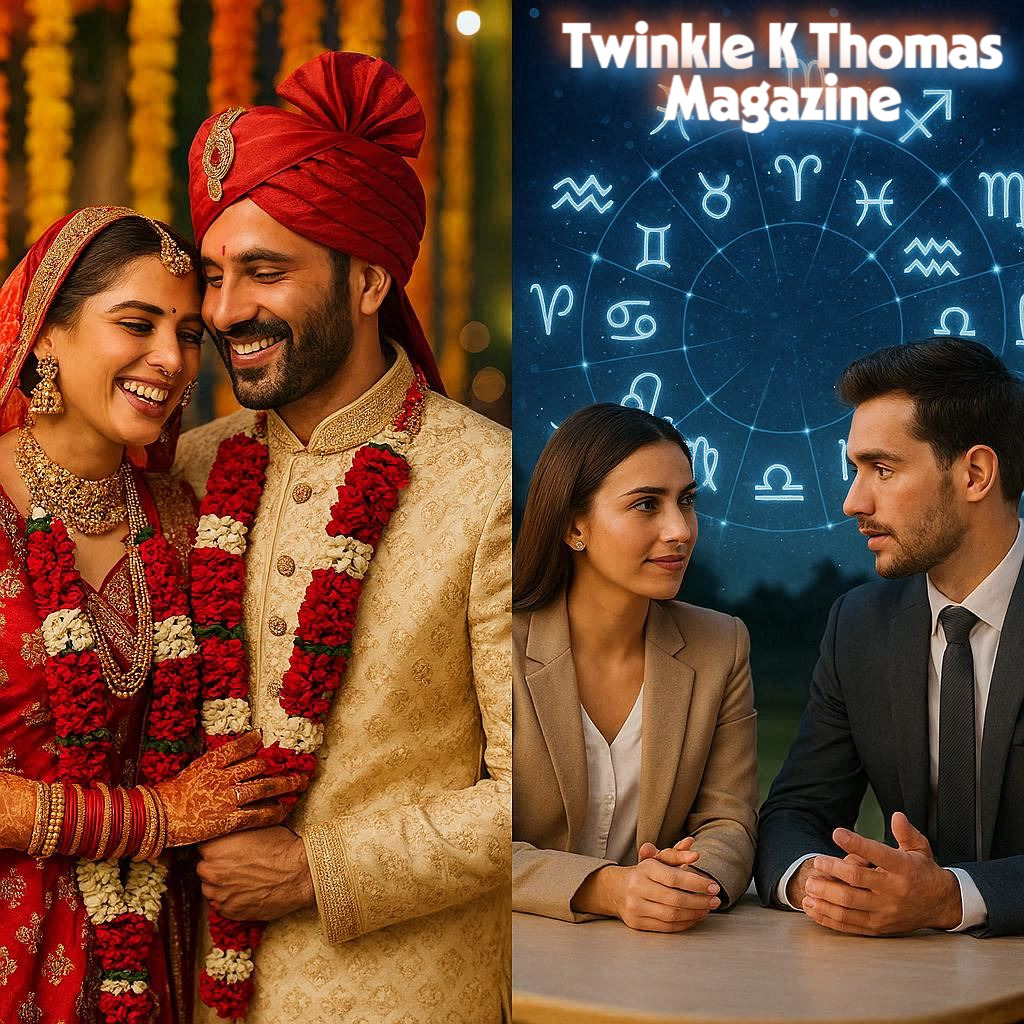
The Ancient Perspective on Marriage in Vedic Astrology
Vedic astrology, rooted in ancient Indian wisdom, views marriage as a sacred union that transcends mere physical or emotional attraction. It is considered a karmic bond that brings two souls together to fulfill their destiny, balance their karma, and support each other’s spiritual growth. The system recognizes that marriages can manifest through different paths, each guided by specific planetary configurations in the birth chart.
Traditional Vedic texts describe eight forms of marriage, with different levels of spiritual merit. While arranged marriages aligned with family approval received the highest recognition, the ancient seers also acknowledged the existence of love-based unions. The astrological chart reveals which path an individual is more likely to follow based on planetary positions, aspects, and the overall strength of relationship houses.
Planetary Indicators for Love Marriage
Certain planetary combinations in a birth chart strongly indicate the possibility of love marriage. These configurations reveal an individual’s inclination toward choosing their own partner based on personal attraction, emotional connection, and individual preference rather than family arrangements.
Venus: The Primary Love Marriage Indicator
Venus, the planet of love, romance, beauty, and relationships, plays the most crucial role in indicating love marriages. When Venus is strongly placed in the fifth house (house of romance and love affairs) or the seventh house (house of marriage), it suggests a natural inclination toward love-based relationships. A well-aspected Venus in these houses indicates that the person will likely find their life partner through romantic encounters.
Venus conjunct with Mars creates intense passionate energy that often leads to love marriages. This combination brings strong physical attraction and impulsive romantic decisions. When Venus receives aspects from Jupiter, it brings wisdom and fortune to love relationships, increasing the likelihood of a successful love marriage that also receives family blessings.
The Role of Fifth House in Love Affairs
The fifth house is fundamentally associated with romance, dating, courtship, and love affairs. A strong fifth house with benefic planets positioned there or aspecting it indicates multiple romantic opportunities throughout life. When the lord of the fifth house connects with the seventh house or its lord, it creates a direct link between romance and marriage, strongly suggesting that love will transform into marriage.
Planets like Mercury, Venus, or Moon in the fifth house make individuals expressive about their emotions and willing to pursue romantic relationships openly. Rahu in the fifth house can create unconventional love stories, often involving partners from different cultural backgrounds or unusual circumstances of meeting.
Mars and Rahu: The Rebellious Combination
Mars represents passion, courage, and the ability to take bold decisions. When Mars influences the seventh house or Venus, it indicates someone who actively pursues romantic interests and has the courage to stand up for their choice of partner. This planetary energy often manifests in individuals who choose love marriage despite family opposition.
Rahu, the north node of the Moon, represents desire, obsession, and breaking traditional boundaries. Its influence on marriage houses often indicates love marriages, inter-caste relationships, or marriages that challenge societal norms. Rahu’s placement in the fifth or seventh house, or its conjunction with Venus, creates circumstances where the person falls deeply in love and pursues marriage despite obstacles.
Planetary Indicators for Arranged Marriage
Arranged marriages, where families play a central role in partner selection, have their own distinct astrological signatures. These configurations indicate individuals who value family opinions, follow traditional approaches, and find suitable partners through conventional matchmaking processes.
Jupiter: The Traditional Marriage Significator
Jupiter represents wisdom, tradition, dharma, and family values. A strong Jupiter influencing the seventh house indicates respect for traditional marriage systems and willingness to trust family judgment in partner selection. Jupiter in the seventh house or aspecting it brings marriages arranged through proper channels, often with significant family involvement and ceremonial grandeur.
When Jupiter aspects Venus, it creates a balanced approach where the person values both personal compatibility and family approval. This combination often results in arranged marriages where the couple also develops genuine affection and understanding over time.
Saturn: The Karmic Arranger
Saturn represents duty, responsibility, karma, and traditional structures. Its influence on marriage houses indicates marriages that happen through proper social channels, family arrangements, or karmic necessity. Saturn in the seventh house or aspecting the seventh lord often delays marriage but eventually brings stable, long-lasting unions arranged through families.
Saturn’s aspect on Venus subdues impulsive romantic tendencies and creates a more practical, duty-bound approach to relationships. Individuals with this configuration often prioritize stability, family compatibility, and long-term security over passionate romance.
Moon and Family Connections
The Moon represents mind, emotions, and connection to mother and family. A strong Moon connected to the seventh house indicates deep emotional attachment to family values and willingness to accept their guidance in marriage decisions. When the Moon influences Venus or marriage houses, the person seeks emotional security through family-approved relationships.
The placement of the fourth house lord (representing home and family) in connection with the seventh house also suggests arranged marriages where family harmony and ancestral blessings play significant roles.
The Seventh House: The Ultimate Marriage Decider
The seventh house in any birth chart is the primary house governing marriage, partnerships, and spouse characteristics. The condition of this house, its ruling planet, and the planets occupying or aspecting it reveal the most accurate picture of marital destiny.
Dual Influences on the Seventh House
Many birth charts show mixed influences on the seventh house, indicating potential for both love and arranged marriage scenarios. For instance, if Venus aspects the seventh house while Saturn also influences it, the person might initially prefer love marriage but eventually choose an arranged match, or they might have a love marriage that receives full family support and traditional ceremonies.
The strength of the seventh house lord determines how smoothly marriage manifests. A well-placed seventh lord in friendly signs with benefic aspects brings positive marriage outcomes regardless of whether it’s love or arranged. Conversely, an afflicted seventh lord may create challenges in both types of marriages.
Navamsa Chart: The Deeper Marriage Analysis
The Navamsa chart, also called the D9 chart, provides deeper insights into marriage and partnerships. While the birth chart shows external circumstances and initial attractions, the Navamsa reveals the actual quality and sustainability of marital relationships. Analyzing Venus, the seventh house, and relevant planetary positions in the Navamsa chart helps astrologers determine whether a love marriage will succeed or if an arranged marriage will develop into genuine love.
Timing of Marriage: Dasha System Insights
Vedic astrology uses the Dasha system (planetary periods) to time significant life events, including marriage. The planetary period running at a particular age significantly influences how marriage manifests.
Love Marriage Periods
Marriage during Venus, Mars, or Rahu dashas often brings love marriages, especially if these planets connect with the fifth and seventh houses in the birth chart. The sub-periods (Antardashas) of these planets also activate romantic energies and create opportunities for meeting potential partners through personal circles, social events, or unexpected encounters.
During Mercury dasha, marriages often happen through communication, social networking, or intellectual connections, which can be considered a form of love marriage where mental compatibility drives the relationship.
Arranged Marriage Periods
Marriages during Jupiter or Saturn dashas typically manifest through traditional channels and family arrangements. Jupiter dasha brings marriages with full family support, proper ceremonies, and partners found through respected matchmaking processes. Saturn dasha marriages, though sometimes delayed, eventually culminate in stable, duty-bound unions arranged by families.
The Moon dasha can bring either type of marriage depending on the Moon’s placement and aspects, but generally favors family-oriented decisions.
Modern Trends and Astrological Adaptations
Contemporary society has blurred the lines between love and arranged marriages, giving rise to hybrid models where families arrange meetings but couples decide compatibility through dating periods. This modern approach resonates with birth charts showing mixed planetary influences where both personal choice and family approval matter.
The Rise of Semi-Arranged Marriages
Many modern marriages begin with family introductions but allow couples substantial time to develop emotional connections before commitment. Astrologically, this reflects birth charts where both Jupiter (tradition) and Venus (love) influence marriage houses, creating a balanced approach that honors both family values and personal preferences.
Inter-Cultural and Inter-Caste Marriages
Rahu’s increasing influence in contemporary charts explains the rising trend of inter-cultural, inter-religious, or inter-caste marriages. These unions often challenge traditional boundaries while still seeking family acceptance. The combination of Rahu with Venus or its influence on the seventh house creates such unconventional yet sincere relationship patterns.
Compatibility Analysis: Does Marriage Type Matter?
Vedic astrology emphasizes that regardless of how marriage happens, compatibility between partners remains paramount for long-term happiness. The Ashtakoot system of matching horoscopes analyzes eight different compatibility parameters, providing a comprehensive compatibility score.
Beyond Love vs Arranged: The Real Factors
Successful marriages depend on mutual respect, emotional maturity, spiritual alignment, and karmic compatibility rather than whether the union was arranged or love-based. A high compatibility score indicates harmonious married life regardless of how partners met. Conversely, low compatibility can create challenges in both love and arranged marriages.
The Moon sign compatibility, Mangal Dosha analysis, Nadi compatibility, and overall chart harmony matter more than the marriage’s origin. Many love marriages thrive because couples naturally gravitated toward compatible partners, while some arranged marriages succeed because experienced astrologers carefully matched compatible charts.
Remedies and Recommendations
Vedic astrology offers remedies to strengthen marriage prospects and overcome obstacles, applicable to both love and arranged marriage seekers.
For Love Marriage Seekers
Strengthening Venus through gemstones like diamond or white sapphire, wearing white or pastel colors on Fridays, chanting Venus mantras, and performing rituals dedicated to Goddess Lakshmi can enhance romantic prospects. If family opposition exists due to Rahu’s influence, performing Rahu remedies and seeking elder blessings helps gain family support.
For Arranged Marriage Seekers
Strengthening Jupiter through yellow sapphire gemstones, wearing yellow on Thursdays, chanting Jupiter mantras, and respecting elders and teachers enhances prospects of finding suitable arranged matches. If Saturn delays marriage, performing Shani remedies and developing patience helps manifest marriage at the destined time.
The Spiritual Dimension of Marriage Choice
Ultimately, Vedic astrology views both love and arranged marriages as different paths to the same destination: spiritual growth through partnership. The birth chart simply reveals which path an individual’s karma naturally leads them toward. Neither path is superior; each offers unique lessons and opportunities for soul evolution.
The key lies in accepting one’s astrological indications while maintaining free will and conscious choice. Someone with strong love marriage indicators need not force themselves into arranged matches, and vice versa. Authenticity to one’s nature, combined with wisdom and family respect, creates the foundation for lasting marital happiness.
Conclusion: Embracing Your Destined Path
Love marriage and arranged marriage represent two distinct yet equally valid approaches to finding a life partner. Vedic astrology provides profound insights into which path suits an individual based on their birth chart, planetary periods, and karmic patterns. Understanding these astrological indicators helps people make informed decisions aligned with their cosmic blueprint.
Whether marriage manifests through romantic love or family arrangement, the ultimate success depends on mutual compatibility, commitment, respect, and the willingness to grow together. Modern seekers can benefit from combining astrological wisdom with practical considerations, creating marriages that honor both tradition and personal choice. Consulting experienced astrologers who analyze complete charts rather than isolated factors ensures comprehensive guidance for this life-changing decision.