Complete List of 28 States and 8 Union Territories of India (2025 Updated) – Capitals, Formation Dates, Geography, Culture & Key Facts
India, the world’s largest democracy, boasts a rich tapestry of diversity reflected in its administrative divisions. As of December 2025, India comprises 28 states and 8 union territories (UTs), each with unique geographical features, cultural heritage, economic strengths, and historical significance. This structure, rooted in the Indian Constitution’s federal system, allows for regional autonomy while maintaining national unity. For general knowledge (GK) enthusiasts, students preparing for competitive exams like UPSC, SSC, or RRB, or anyone curious about “states and union territories of India,” this comprehensive guide provides a complete list with deep explanations. We’ll explore each entity’s formation, capital, population insights (based on latest estimates), economy, landmarks, and cultural nuances. Understanding these divisions is crucial for grasping India’s socio-political landscape, as they influence everything from elections to resource allocation.
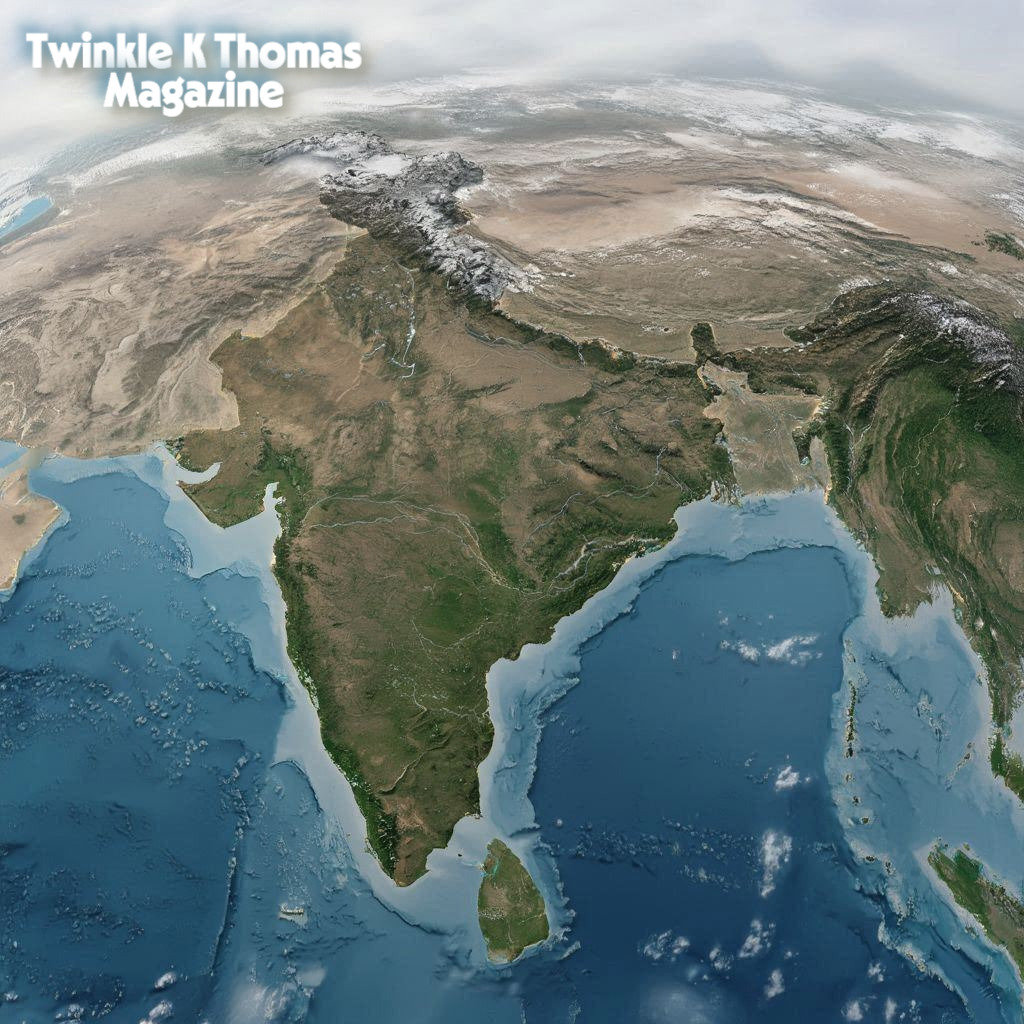
The reorganization of states began post-independence in 1950, evolving through linguistic, cultural, and administrative needs. The States Reorganisation Act of 1956 was a milestone, creating states based on language. Recent changes, like the 2019 bifurcation of Jammu and Kashmir into two UTs, highlight ongoing adaptations. With a total area of about 3.287 million sq km and a population exceeding 1.4 billion, India’s states and UTs showcase biodiversity from Himalayan peaks to coastal plains. Let’s dive into the list of 28 states of India alphabetically, followed by the 8 union territories.
The 28 States of India: Detailed Profiles
1. Andhra Pradesh
Formed on November 1, 1956, after separating from Madras State, Andhra Pradesh’s capital is Amaravati (though Hyderabad served as joint capital until 2024). With a population of around 53 million, it’s known as the “Rice Bowl of India” due to fertile Krishna-Godavari deltas. Economically, it thrives on agriculture, IT (Visakhapatnam hub), and pharmaceuticals. Culturally, Kuchipudi dance, Telugu cinema (Tollywood), and temples like Tirupati Balaji define it. Geographically, it spans coastal plains and Eastern Ghats, facing cyclones but boasting beaches like RK Beach.
2. Arunachal Pradesh
Established as a state on February 20, 1987 (from NEFA UT), Itanagar is its capital. Home to 1.7 million people, this northeastern gem borders China, Myanmar, and Bhutan. Its economy relies on hydropower, tourism, and horticulture (kiwi, orchids). Culturally diverse with 26 tribes like Adi and Nyishi, festivals like Losar and Solung celebrate animism and Buddhism. Geographically, it’s Himalayan with dense forests (68% coverage), hosting biodiversity hotspots like Namdapha National Park.
3. Assam
Formed on January 26, 1950, Dispur is Assam’s capital. With 35 million residents, it’s the gateway to Northeast India. Tea plantations drive its economy (world’s largest producer), alongside oil and silk. Bihu festivals, Ahom history, and Assamese literature enrich its culture. The Brahmaputra River shapes its flood-prone alluvial plains, supporting wildlife in Kaziranga (one-horned rhinos).
4. Bihar
One of India’s oldest states, formed on March 22, 1912 (bifurcated from Bengal), Patna is its capital. Population: 128 million. Historically, it’s the cradle of Buddhism and Jainism (Bodh Gaya, Nalanda University ruins). Economy focuses on agriculture (rice, wheat) and emerging IT. Culturally, Chhath Puja and Maithili folk arts thrive. The Gangetic plains make it fertile yet flood-vulnerable.
5. Chhattisgarh
Carved from Madhya Pradesh on November 1, 2000, Raipur (administrative) and Naya Raipur (planned) serve as capitals. 30 million people inhabit this mineral-rich state (coal, iron ore), fueling steel industries. Tribal culture (Bastar Dussehra) and forests (42% coverage) define it, with attractions like Chitrakote Falls.
6. Goa
Became a state on May 30, 1987 (from UT), with Panaji as capital. Smallest by area, population 1.5 million. Tourism (beaches like Calangute) and mining (iron ore) dominate economy. Portuguese colonial legacy influences cuisine (feni, vindaloo) and architecture (Basilica of Bom Jesus, UNESCO site).
7. Gujarat
Formed on May 1, 1960 (from Bombay State), Gandhinagar is its capital. 70 million residents. Industrial powerhouse (textiles, diamonds in Surat), home to Asia’s largest refinery in Jamnagar. Culturally, Navratri Garba and Jain temples (Palitana) shine. Arid Kutch desert contrasts with Gir Forest (Asiatic lions).
8. Haryana
Separated from Punjab on November 1, 1966, Chandigarh (shared) is its capital. 30 million people. Agriculture (wheat, rice) and auto manufacturing (Gurugram hub) drive growth. Haryanvi folk dances and wrestling culture prevail. Yamuna River plains support intensive farming.
9. Himachal Pradesh
Achieved statehood on January 25, 1971 (from UT), Shimla (summer) and Dharamshala (winter) are capitals. 7.5 million. Tourism (hill stations like Manali) and apples boost economy. Pahari culture, festivals like Minjar Mela, and Himalayan ecology (Rohtang Pass) are highlights.
10. Jharkhand
Formed from Bihar on November 15, 2000, Ranchi is capital. 40 million. Mineral wealth (coal, mica) supports industries. Tribal festivals (Sohrai, Karma) and wildlife (Betla National Park) enrich it. Plateau terrain aids mining but poses deforestation challenges.
11. Karnataka
Reorganized on November 1, 1956 (as Mysore, renamed 1973), Bengaluru is capital. 68 million. IT capital (Silicon Valley of India), coffee, and silk. Kannada culture, Dasara festival in Mysuru, and Western Ghats biodiversity (Coorg hills) define it.
12. Kerala
Formed on November 1, 1956, Thiruvananthapuram is capital. 35 million. Highest literacy (96%), tourism (backwaters, beaches), and spices. Malayalam literature, Kathakali dance, and Ayurvedic heritage thrive. Coastal and hilly terrain supports coconut economy.
13. Madhya Pradesh
Established November 1, 1956, Bhopal is capital. 86 million. Agriculture, tourism (Khajuraho temples, UNESCO), and minerals. Tribal art (Gond paintings) and wildlife (Kanha for tigers) are key. Central highlands and Narmada River shape its landscape.
14. Maharashtra
Formed May 1, 1960, Mumbai is capital. 124 million. Financial hub (Bollywood, stock exchange), agriculture (cotton). Marathi culture, Ganesh Chaturthi, and forts (Shivaji legacy) stand out. Western Ghats and Konkan coast add diversity.
15. Manipur
Statehood on January 21, 1972, Imphal capital. 3 million. Handlooms, Manipuri dance, and Loktak Lake (floating islands). Economy: Agriculture, tourism. Meitei and Naga tribes enrich culture amid hilly borders with Myanmar.
16. Meghalaya
Carved from Assam on January 21, 1972, Shillong capital. 3.7 million. Wettest place (Cherrapunji), coal mining, tourism. Khasi matrilineal society, living root bridges, and festivals like Nongkrem.
17. Mizoram
State on February 20, 1987, Aizawl capital. 1.3 million. Bamboo economy, Mizo festivals (Chapchar Kut). Hilly, forested (91% coverage), Christian-majority culture.
18. Nagaland
Formed December 1, 1963, Kohima capital. 2.2 million. Hornbill Festival celebrates 17 tribes. Agriculture, handicrafts. Rugged Naga Hills border Myanmar.
19. Odisha
Renamed from Orissa in 2011, formed April 1, 1936, Bhubaneswar capital. 47 million. Minerals (chromite), Jagannath Temple tourism. Odissi dance, Konark Sun Temple (UNESCO).
20. Punjab
Reorganized November 1, 1966, Chandigarh capital. 30 million. Green Revolution heartland (wheat), Sikh culture (Golden Temple). Fertile Indus plains.
21. Rajasthan
Formed November 1, 1956, Jaipur capital. 81 million. Deserts (Thar), tourism (palaces, forts). Rajasthani folk music, camel fairs.
22. Sikkim
Merged May 16, 1975, Gangtok capital. 0.7 million. Organic farming, Buddhism (Rumtek Monastery). Himalayan ecology.
23. Tamil Nadu
Formed January 26, 1950 (as Madras, renamed 1969), Chennai capital. 78 million. IT, textiles, Tamil cinema. Bharatanatyam, ancient temples (Madurai Meenakshi).
24. Telangana
Bifurcated from Andhra June 2, 2014, Hyderabad capital. 38 million. IT (HITEC City), pearls. Telugu culture, Charminar.
25. Tripura
Statehood January 21, 1972, Agartala capital. 4 million. Rubber, bamboo. Tripuri tribes, Ujjayanta Palace.
26. Uttar Pradesh
Formed January 26, 1950, Lucknow capital. 241 million (most populous). Agriculture, Taj Mahal tourism. Hindi heartland, Kumbh Mela.
27. Uttarakhand
From Uttar Pradesh November 9, 2000, Dehradun (winter), Gairsain (summer) capitals. 11 million. Pilgrimage (Char Dham), adventure tourism. Garhwali/Kumaoni culture, Himalayan rivers.
28. West Bengal
Formed January 26, 1950, Kolkata capital. 100 million. Jute, sweets (Rosogolla). Bengali literature (Tagore), Sunderbans mangroves.
The 8 Union Territories of India: Governance and Unique Traits
UTs are centrally administered, some with legislatures. They offer strategic importance.
1. Andaman and Nicobar Islands
Formed November 1, 1956, Port Blair capital. 0.4 million. Tropical islands, beaches, cellular jail history. Tourism, fisheries.
2. Chandigarh
UT since November 1, 1966, Chandigarh capital. 1.2 million. Planned city (Le Corbusier), education hub.
3. Dadra and Nagar Haveli and Daman and Diu
Merged January 26, 2020, Daman capital. 0.6 million. Portuguese legacy, beaches, industries.
4. Lakshadweep
Formed November 1, 1956, Kavaratti capital. 0.07 million. Coral islands, coconut economy, Islamic culture.
5. Delhi (NCT)
UT with legislature, New Delhi capital. 21 million. Political center, historical sites (Red Fort).
6. Puducherry
Formed November 1, 1954, Puducherry capital. 1.6 million. French colonial vibe, Auroville.
7. Jammu and Kashmir
Reorganized as UT October 31, 2019, Srinagar (summer), Jammu (winter) capitals. 13 million. Kashmir Valley, tourism (Dal Lake), handicrafts.
8. Ladakh
Formed October 31, 2019, Leh capital. 0.3 million. Cold desert, Buddhist monasteries, strategic borders.
Why This Division Matters in 2025
In a globalized era, these states and UTs drive India’s GDP growth (projected 7% in 2025), with southern states leading in tech and northern in agriculture. Challenges like climate change (floods in Assam, droughts in Rajasthan) and urbanization demand tailored policies. Culturally, this mosaic preserves 22 official languages and countless dialects, fostering unity in diversity.
For GK preparation, memorize via mnemonics or maps. Updates like potential new UTs keep this dynamic. This list underscores India’s federal strength, evolving since 1950.